
Some attractions feel impossible to talk about.
This is a space where you can.
Atypical Attractions
If you've landed here, you may be carrying something that has felt impossible to say out loud — even to yourself.
An attraction, an urge, or a pattern of desire that falls outside what most people experience, and that the world around you has made very clear, is not okay to talk about.
You may have spent years managing this alone. Feeling isolated. Wondering if anyone could even possibly understand without immediately assuming the worst about you. Afraid that asking for help would make things worse rather than better.
I want to say something clearly, from the very beginning of this page: You are not a monster. Having an atypical attraction does not make you a bad person, a dangerous person, or a person beyond help. Attraction is not a choice, and experiencing an attraction is not the same as acting on it, endorsing it, or being defined by it.
This is a space where you can bring all of it — naming the attraction itself, the shame around it, the confusion, the fear, the questions you've never felt safe enough to ask — and be met with competence, compassion, and zero judgment.
You are not alone in this. And there is help here.
You might be in the right place if...
• You are a minor-attracted person (MAP) navigating the complex emotional, psychological, and relational experience of living with an attraction that carries enormous stigma — and you are looking for a therapist who understands that attraction and behavior are not the same thing.
• You experience attractions or desires that feel confusing, frightening, or deeply at odds with your values, and you've never had a safe space to process what they mean or how to live with them.
• You are dealing with paraphilic attractions (including but not limited to exhibitionistic, voyeuristic, or other atypical sexual interests) that are causing distress, interfering with your life, or creating complications in your relationships.
• You have questions about your attractions that you've never felt safe enough to ask anyone, and you're ready to start talking, even if you don't have the words yet.
• You want to understand yourself better, reduce the shame and isolation you've been carrying, and build a life that feels honest, ethical, and genuinely yours.

Let's be clear about what happens here — and what doesn't.
This therapy is not about trying to change or eliminate your attractions. Attempts to change sexual attraction (sometimes called conversion or reparative therapy) are not only ineffective, but they are also harmful.
That is not what this is.
This therapy is about helping you understand your attractions, reduce the shame and isolation surrounding them, process the complicated feelings that come with living with an atypical attraction in a world that rarely makes space for that experience, and build a life and a set of values-based choices that feel genuinely yours.
For some people, that means working through deep shame and learning to accept a part of themselves they've spent years fighting. For others, it means building skills and strategies for navigating attractions in ways that align with their values — including living in ways that are safe, legal, and consistent with the kind of person they want to be. For others still, it means simply having a space to talk honestly about something they've never been able to say out loud, and experiencing what it feels like to not be judged for it.
What you want from this work is something we figure out together. There is no predetermined outcome, no agenda for who you should become.
Just honest, ethical, compassionate support for where you actually are.
A note on confidentiality & mandated reporting:
Confidentiality is a cornerstone of therapy — and I take it seriously. Everything you share in our work together is private, with the standard legal exceptions that apply to all licensed therapists.
As with any therapeutic relationship, I do have mandated reporting obligations under Minnesota and Wisconsin law. These exist across all areas of therapy and are not unique to this work.
What I want you to know is that I have extensive experience working transparently with clients around what these obligations mean in practice: what they cover, what they don't, and how we can do meaningful, honest work together within those parameters. This is a conversation we have openly from the very beginning, so there are no surprises and no hidden lines.
Seeking support for atypical attractions is not illegal. Talking about your attractions, your struggles with having these attractions, and your experiences with living with these attractions is not reportable. My goal is for you to feel genuinely safe in this space, and part of that is making sure you understand exactly what that safety looks like and where its boundaries are.
This practice operates within Minnesota and Wisconsin's ethical and legal standards. Therapy focuses on supporting clients in making choices that align with their values and legal obligations, including harm reduction strategies where relevant. I also recognize that not everyone who has atypical attractions needs or wants that focus — and that's equally valid here. You deserve a therapist who is both genuinely welcoming and genuinely grounded in professional responsibility, and that is exactly what you get here.
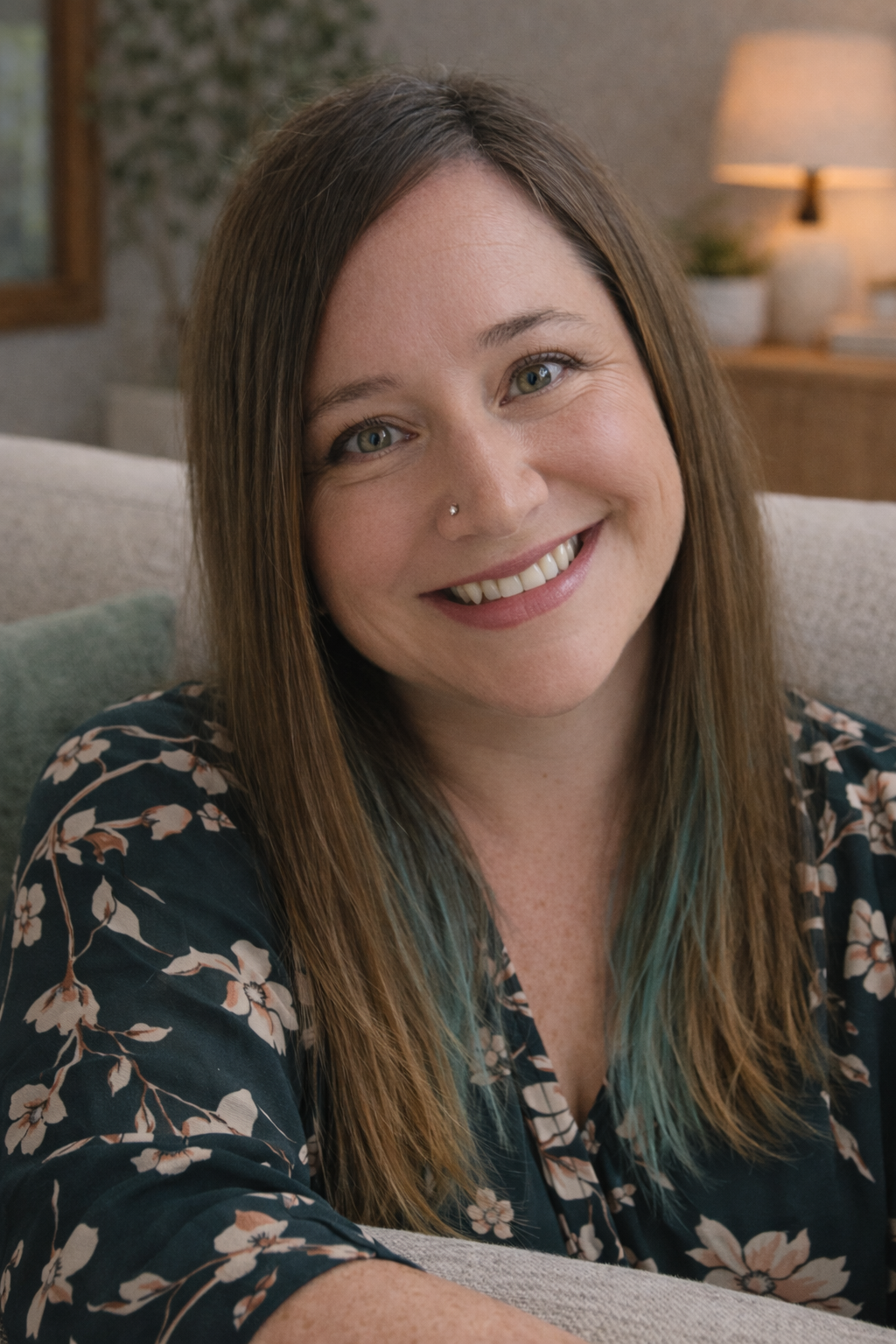
A therapist who is actually trained — and genuinely willing — to do this work.
Finding a therapist who is both clinically competent and genuinely non-judgmental about atypical attractions is not easy. Most therapists — even good ones — haven't received specific training in this area, and the discomfort that can show up in the room when these topics arise is something people in this community have learned to anticipate and dread.
I am listed on professional directories specifically for working with people navigating atypical attractions, including minor-attracted persons. This is not work I stumbled into — it is work I have sought out, trained for, and continue to learn about because I believe these populations deserve competent, compassionate care.
As an AASECT Certified Sex Therapist, I bring a non-pathologizing, evidence-informed framework to all of my work. I understand the difference between attraction and behavior. I understand the research — and the significant gaps in it. I understand the stigma my clients carry, and I understand that stigma itself causes harm.
You will not have to manage my discomfort in this room. You will not have to educate me about what you are experiencing before we can get to work. You will not be treated as a problem to be solved or a risk to be managed.
You will be treated as a person who deserves support. Because that is exactly what you are.
FAQs
Is it legal for me to be in therapy talking about this?
1
Yes, completely. Having atypical attractions is not a crime, and talking about them in therapy is not reportable. You are allowed to seek support, process your experience, and ask questions in a confidential therapeutic space. That is exactly what therapy is for.
Will you report me for having these attractions?
2
No. Attraction is not reportable. Mandated reporting obligations apply to specific disclosures about harm — not to the existence of an attraction or to the thoughts and feelings surrounding it. If you have questions about where those lines are, that is a conversation we can have openly and honestly at any point in our work together.
What if I'm ashamed of what I'm attracted to?
3
Then you're in good company with almost everyone who has ever sat across from me in this work. Shame is usually the heaviest thing people carry through the door, and it's often the first thing we work on together. You don't have to arrive without it. You just have to be willing to set it down, even a little, and see what's underneath.
Can therapy actually help, or will I always feel this way?
4
Therapy won't change what you're attracted to. What it can change is how much of your life is consumed by fear, shame, and isolation around it. Most people who do this work find that the attraction itself becomes less overwhelming when it's no longer something they're carrying completely alone. That shift is real, and it's worth something.
What if I've never told anyone about this before?
5
Then this might be one of the most significant conversations you've ever had — and I don't take that lightly. You don't have to have the words. You don't have to know where to start. We can go as slowly as you need. The only thing required is that you show up.

You’ve carried this alone long enough.
Whatever you've been afraid to say, whatever you've been managing in isolation, whatever questions you've never felt safe enough to ask — this is a space where you can bring all of it. You don't have to have the right words. You don't have to have it figured out. You just have to be willing to reach out.
Reaching out is the hardest part. Everything after that, we figure out together.